Choosing the Right Hiking Shoes: Your Ultimate Trail Companion
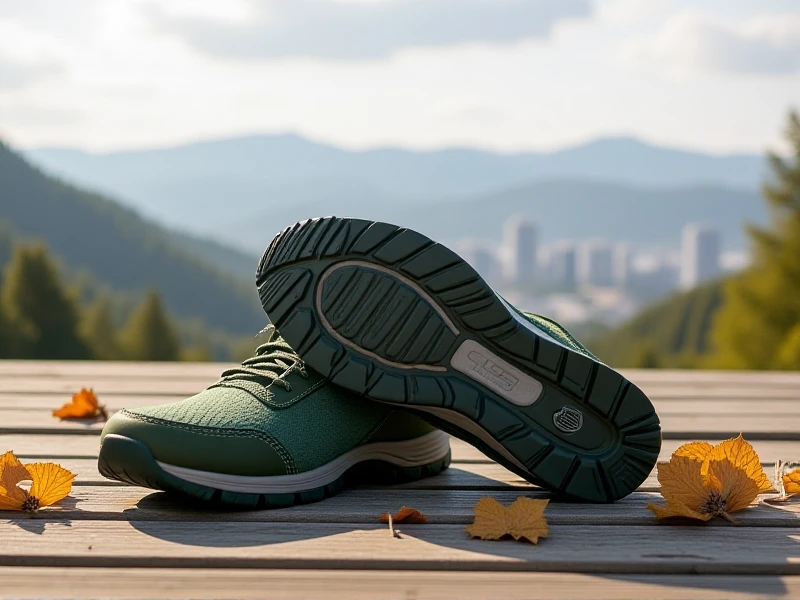
Your adventure begins from the ground up, and the hiking shoes you choose are critical to every step. Whether tackling a gentle nature trail or a rugged mountain path, selecting the right footwear is essential for comfort, safety, and enjoyment. Focus on these key features:
1. Terrain Dictates Type: Match your footwear to your environment. Lightweight trail runners excel on well-maintained paths offering agility. Classic hiking shoes (low-cut) provide excellent ankle support and stability for moderate terrain with uneven ground. For demanding hikes with heavy packs or unstable surfaces, dedicated hiking boots (mid or high-cut) offer maximum ankle protection and stability.
2. Support and Stability: Hiking involves uneven surfaces and carrying weight. Look for shoes with:
- A firm, supportive heel counter preventing slippage.
- Adequate torsional rigidity to protect your feet on rocky trails.
- A secure lacing system for a customizable fit preventing movement inside the shoe.
3. Durability & Traction: Trails demand robust construction. Quality hiking shoes utilize abrasion-resistant uppers (synthetic leather, nubuck, or waterproof membranes like Gore-Tex®). Outsoles made from sticky, durable rubber (like Vibram®) with aggressive, multi-directional lugs provide reliable grip on mud, loose gravel, wet rocks, and roots, reducing slippage risk.
4. Water Management: Foot comfort dictates enjoyment. Consider weather conditions:
- Waterproof Hiking Shoes: Essential for wet climates, snow, or dewy mornings using Gore-Tex® or similar membranes.
- Non-Waterproof/Quick-Drying: Better for hot, dry climates or trails with water crossings where breathability to release sweat & quick drying are priorities.
5. Perfect Fit is Paramount: Ill-fitting hiking shoes cause blisters and discomfort. Always get professionally fitted later in the day as feet naturally swell. Ensure about a thumbnail's space (roughly half an inch) between your longest toe and the shoe end. Width is vital – feet shouldn't feel pinched. Wear hiking socks during fitting to mimic trail conditions. Break in new footwear well before embarking on significant hikes.
6. Weight vs. Protection: A balance exists between agility and safeguarding. Lighter hiking shoes reduce fatigue on longer journeys over moderate trails. Heavier boots provide superior protection and support for technical, rocky terrain or when carrying substantial backpack weight. Choose based on your typical hike intensity and duration.
Final Steps: Before committing, walk around the store, test on stairs or slopes if possible. Consider aftermarket insoles for enhanced arch support if needed. Rotate your hiking shoes to extend lifespan and allow them to fully dry out between wears.
Investing time in selecting quality hiking shoes tailored to your specific needs is crucial. The right pair transforms your hike, enhancing performance, preventing foot fatigue, lowering injury chances, and maximizing your outdoor enjoyment. Happy trails!